Renting vs. Buying: Which Option Makes More Sense in 2026?
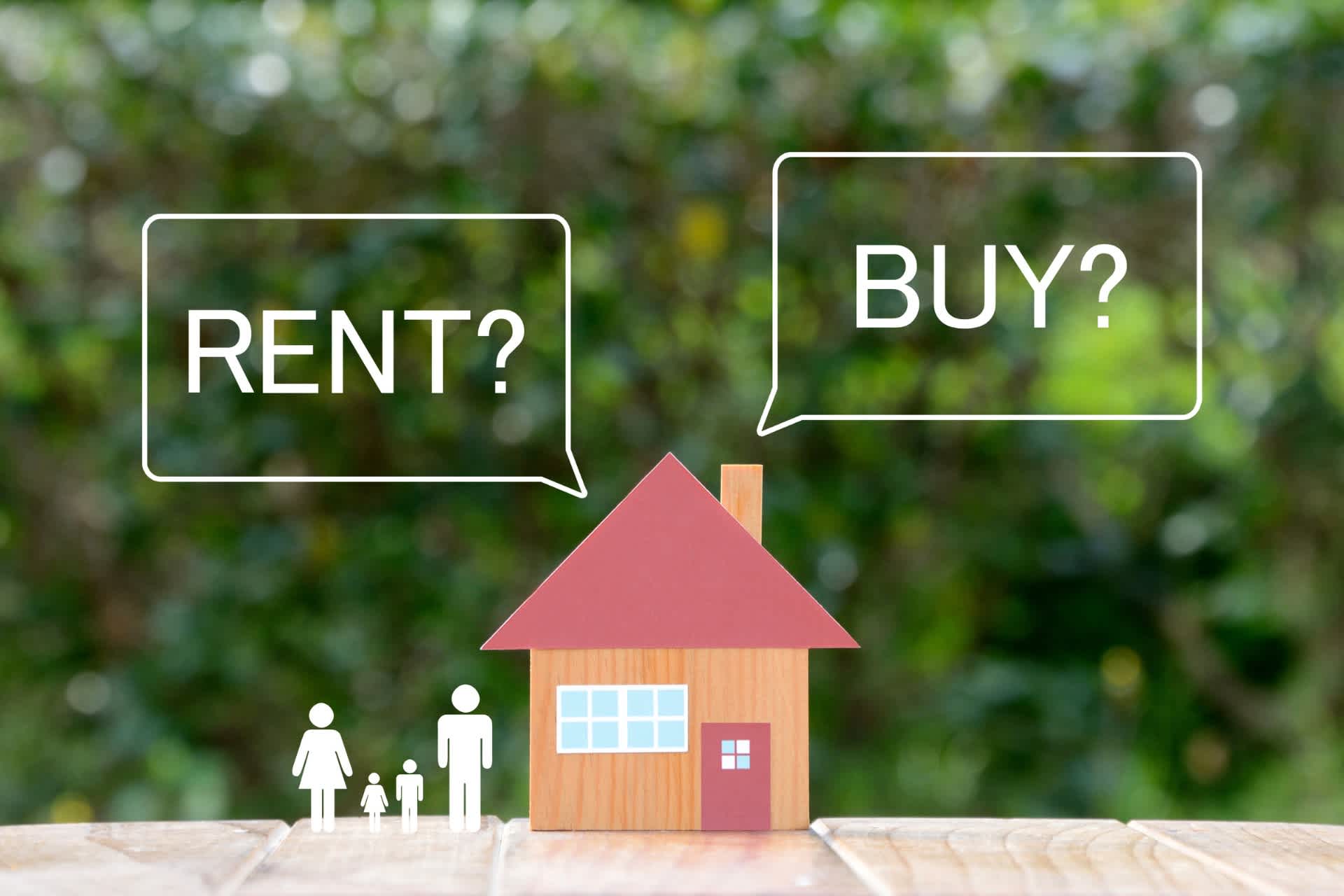
The age-old debate of renting versus buying a home continues to challenge individuals and families alike, especially as market conditions evolve. In 2026, with fluctuating interest rates, rising property prices, and changing lifestyle needs, the decision is more nuanced than ever. Let’s explore the key factors to help you determine whether renting or buying makes more sense this year.
The Case for Renting
Renting offers flexibility and lower upfront costs, making it an attractive option for many. Here’s why renting might be a smart choice in 2026:
1. Flexibility
- Renting is ideal for individuals who may relocate for work or personal reasons.
- Lease agreements are typically short-term, providing the freedom to move without the burden of selling a property.
2. Lower Initial Costs
- Renting requires a security deposit and possibly a few months’ rent upfront, compared to the significant down payment needed for buying a home.
- Maintenance costs and property taxes are often the landlord’s responsibility.
3. Access to Prime Locations
- Renting can allow you to live in desirable areas that may be out of reach financially if you were to buy.
4. Market Uncertainty
- With rising interest rates and unpredictable real estate markets in 2026, renting offers a way to avoid the risks of property depreciation.
The Case for Buying
For those seeking stability and long-term financial benefits, buying a home can be a rewarding investment. Here’s why purchasing a property might make sense in 2026:
1. Building Equity
- When you buy a home, your mortgage payments contribute to building equity, unlike rent payments that don’t lead to ownership.
- Over time, property values tend to appreciate, adding to your wealth.
2. Stability and Control
- Owning a home provides stability, especially for families or individuals looking to settle down.
- You have the freedom to customize and renovate your property to suit your preferences.
3. Protection Against Rising Rents
- Rent prices have been steadily increasing in many cities. Buying a home locks in your monthly payment, especially with a fixed-rate mortgage.
4. Tax Benefits
- Homeowners may benefit from tax deductions on mortgage interest and property taxes, reducing overall costs.
5. Long-Term Investment
- Buying a home is a long-term investment that can provide financial security, especially in retirement.
Key Factors to Consider in 2026
1. Market Trends
- In 2026, rising interest rates may make mortgages more expensive, but they could also slow down property price growth, creating buying opportunities.
- Research your local market to understand trends in both rent and property values.
2. Financial Stability
- Consider your savings, credit score, and long-term financial goals.
- If you’re planning to stay in a location for at least 5-7 years, buying might be more cost-effective.
3. Lifestyle Goals
- Are you looking for flexibility to travel or relocate? Renting might be better.
- If you want stability and a sense of ownership, buying could be the right path.
4. Maintenance Responsibilities
- Renters avoid maintenance and repair responsibilities, while homeowners must account for these additional expenses.
Renting vs. Buying: A Quick Comparison
| Factor | Renting | Buying |
|---|---|---|
| Upfront Costs | Low (deposit + initial rent) | High (down payment + closing costs) |
| Flexibility | High | Low |
| Equity Building | None | Builds equity over time |
| Maintenance | Landlord responsibility | Homeowner responsibility |
| Long-Term Costs | Rising rents | Potentially stable with a mortgage |
| Tax Benefits | None | Mortgage interest deductions |
Conclusion
The decision to rent or buy in 2026 depends on your financial situation, lifestyle preferences, and long-term goals. Renting offers flexibility and lower initial costs, making it ideal for those prioritizing mobility or uncertain about their future plans. On the other hand, buying a home can be a solid long-term investment, offering stability, equity, and potential tax advantages.
Carefully assess your circumstances, consider market trends, and seek advice from real estate experts to make the choice that best aligns with your needs in 2026.